Case study · Course project
YC Directory
A startup pitch directory in Next.js and Sanity, built as a course project: GitHub sign-in, Markdown pitches, search and view counts.
- My role
- Built it alone: frontend, backend and deployment
- Team
- Solo
- Timeline
- May 2025
- Context
- Course project
- Platform
- Next.js app with Sanity as the CMS
01 Overview
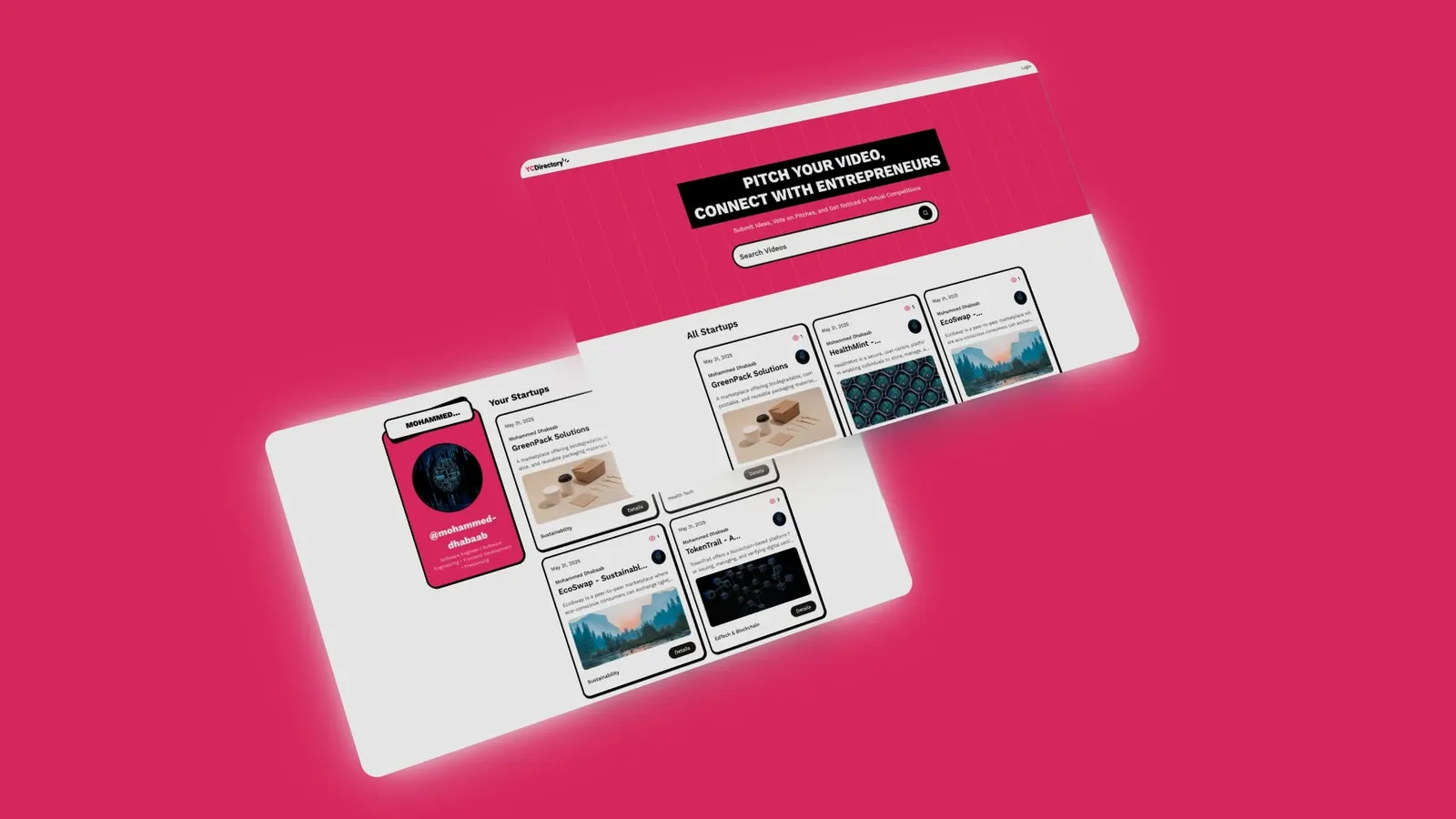
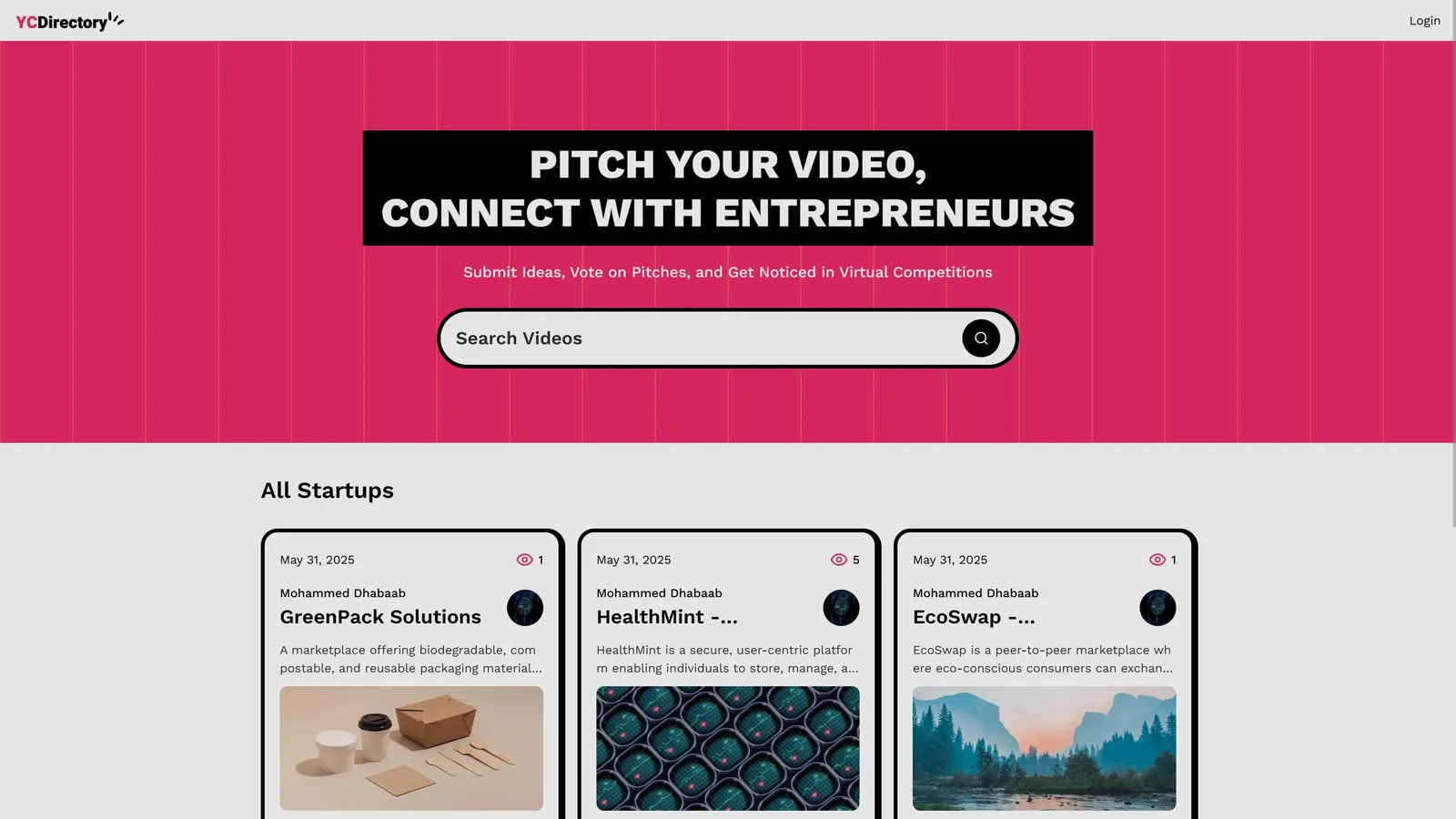
YC Directory lets founders pitch startup ideas. People sign in with GitHub, write a pitch in Markdown and search pitches by title, category or author. Each pitch shows how many times it was viewed, and editors pick featured pitches in Sanity.
02 Problem
I already worked with Next.js and wanted to go deeper on a real app: Server Components, server actions, work that runs after the response and a headless CMS.
03 My role
I built the whole app, then deployed and monitored it myself.
- Sign-inGitHub sign-in with NextAuth, saving each new author to Sanity
- ContentSanity schemas for authors, startups and playlists, with typed queries
- PitchesA server action that saves a pitch, with a Markdown editor and rendering
- ViewsA view counter that updates after the page is sent
- MonitoringSentry error tracking, deployed on Vercel
- Framework
 Next.js
 React
 TypeScript
 JavaScript
 Tailwind CSS
 Radix UI
 CSS
 HTML
- Content and sign-in
 Sanity
 NextAuth
- Operations
 Sentry
 Vercel
- Tooling
 ESLint
 Git
 GitHub
04 Key decisions
The choices that shaped the product. Open one to see why it was made and what it cost.
Count views after the response
What we chose
Next.js after() adds a view in Sanity once the page has been sent
Why
Visitors don't wait for a database write.
Trade-off
It reads the count, then writes count + 1, so two visits at the same moment can count as one.
Sanity as the backend
What we chose
Sanity for authors, pitches and editor playlists, queried with GROQ
Why
A hosted CMS with its own studio meant no database or admin panel to build.
Trade-off
The data lives in a third-party service, and writes need a token on the server.
05 Result
Live on Vercel since May 2025, with GitHub sign-in, Markdown pitches, search and view counts. Sentry reports its errors.
What I learned
This project deepened my Next.js skills: Server Components, server actions, after() for work that runs after the response and Sanity as a headless CMS. The view counter also showed me where a read-then-write can break, so next time I'd make it atomic.
With thanks to
Next project: InspireHub
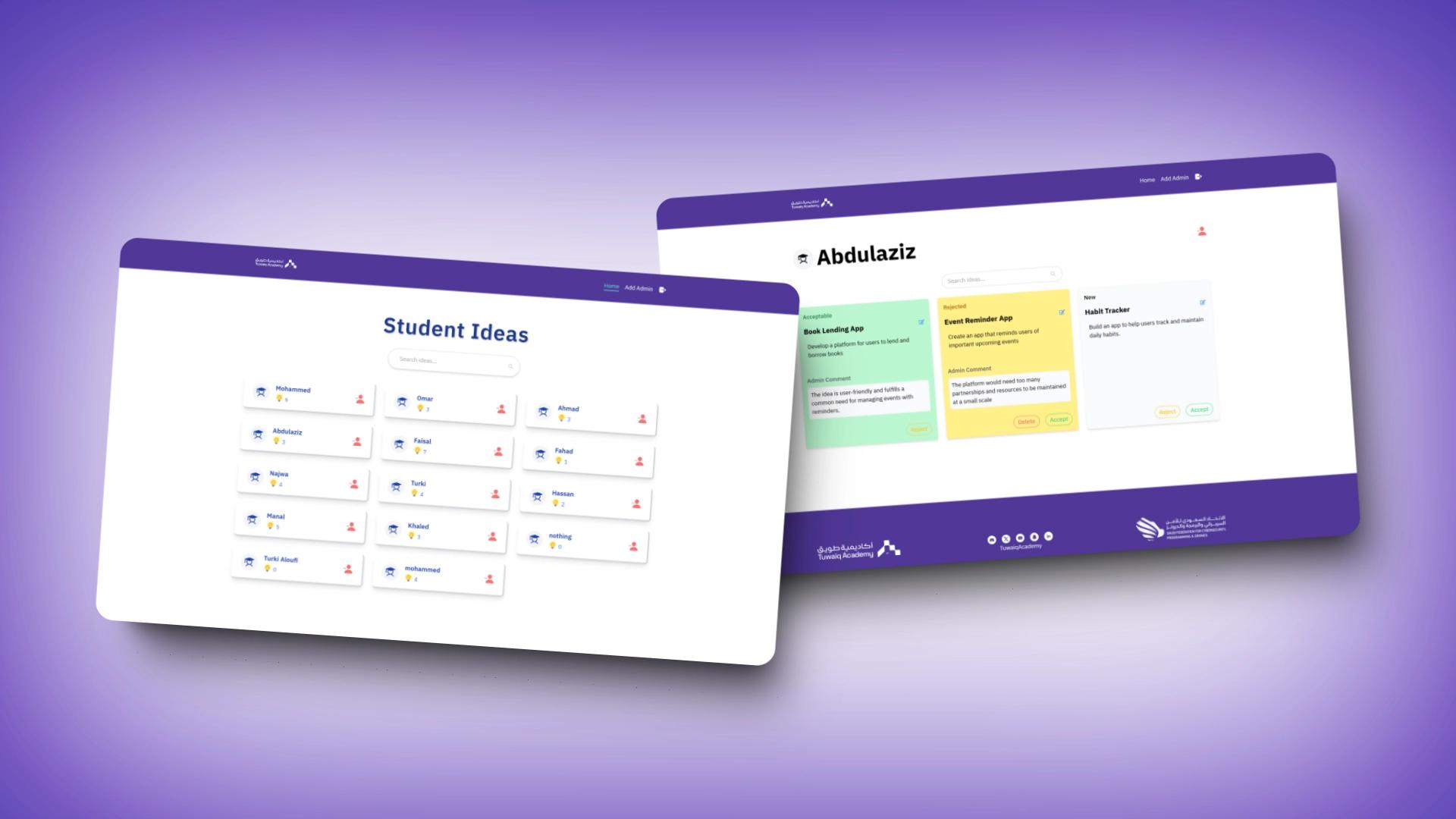
Students submit project ideas and instructors approve or reject them, on a React app with an Express and MongoDB API.
Questions